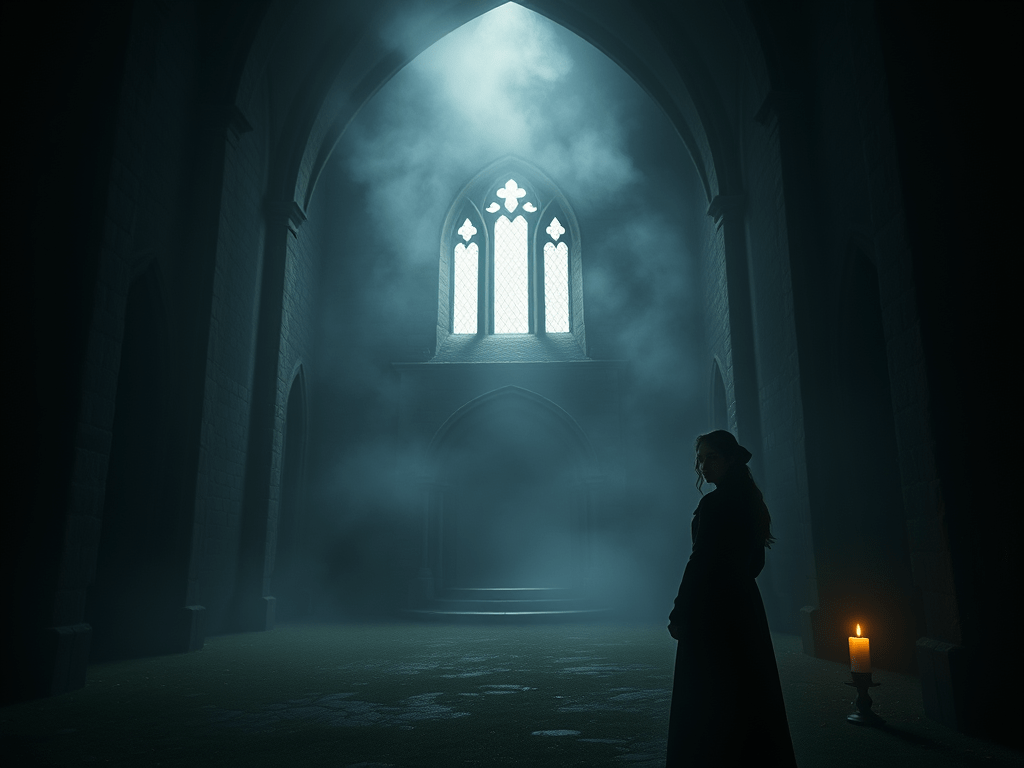
My research for my books…
As I prepared to write this post, I felt I wanted to share a little of my research for The Last Coven, as this took up as much time as getting the structure and plot for the book right. Without hours and hours of research, with very little in the way of sources to read, I wouldn’t have been able to develop the timeline and key aspects of the narrative. The real-life events that took place, given that it was the mid-1600s, were difficult to source as little had survived officially. Still, with some perseverance and access to local materials, I could start to piece the timeline together of the witch trials that occurred in 1650 and later in 1658.
The local folklore around these witch trials is still felt today as the women who were executed for crimes of witchcraft have been given memorials or plaques, and some have even had streets named after them. Still, I was interested in their story, the events which led to their being accused and questioned and later imprisoned in Kilwinning Abbey to await their fate. Bessie Graham was by far one of the most notorious of the women who were arrested, and the information surrounding her being imprisoned in the abbey is sparse at best. It details a disagreement with her neighbour where she was believed to have placed a curse. The neighbour had become ill after this confrontation and died a short time later, and this was evidence enough for the clergy to sweep in and arrest her.
Isobel Allen, a young woman also residing in Kilwinning at this time, was arrested after Bessie and held in the tower, facing trial in May of 1650. She was being questioned for crimes of fornication, facing banishment from her community when the allegations of witchcraft were raised against her. I will say no more about the outcome of the ensuing inquisition, the nature of their time in the abbey tower or the result of their trials. I wouldn’t want to ruin the narrative by releasing spoilers, but the research highlighted how ridiculous and spiteful these allegations were. Women were questioned by men who expected them to promote ‘Godliness’, and anything regarded as going against the church was treated in such a callous way.
Likewise, in the prequel to The Last Coven, I again did much research to start getting the structure and character development correct, looking at the official documentation and any surviving records that would tell me more about Margaret Barclay of Irvine, who was arrested and questioned for crimes of witchcraft in 1618. Again, the event which led to her arrest was a poor relationship with her sister-in-law Janet, who accused Margaret of stealing from her and when the church suggested that this be resolved privately, an accusation of Margaret placing a curse on Janet’s husband was raised, and Margaret was arrested and questioned. With her were other community members who were assumed to be part of Margaret’s coven and helped inflict the curse.
Despite the time that has elapsed since these trials were conducted, I was fascinated that the local high school delivered this local information as part of the history curriculum. When I discovered that this was delivered in lessons at school, I was amazed that something I had decided to research and write about in a historical fiction novel was also being taught locally. It seemed like a sign that I should keep on writing, that maybe my novel would one day be used as part of the curriculum to reveal the trials conducted locally over 400 years ago in a way that the students could understand at a deeper level. They could connect with my characters and have more clarity over the horrors that were experienced in one of the darkest periods of Scotland’s history.
I have obviously embellished the story, added my own plots, twists and fictional characters, creating a little magic, but the facts remain, and these women’s stories do come to life on the page. If you are interested in reading about some of these local women who were arrested and put on trial for witchcraft on the West Coast of Scotland, you will find information about the 1650 trials following the introduction of the Scottish Witchcraft Act 1649 in The Last Coven and the earlier trials of 1618 in A Coven Lost, which I hope to release by spring next year.
 THE GOOD, THE BAD AND THE PUBLISHED
Leave a comment