Review of The Last Bookshop
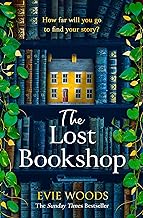
I’m dedicating another post to a book review and wanted to share my thoughts on an alternative book that I rated five stars. The Lost Bookshop by Evie Woods was recommended to me by a friend who had read and loved it. I knew I wanted to read this book when I saw the cover and read the blurb on the back. It was intriguing, and I was instantly drawn by its beautifully designed cover and the question it posed… How far will you go to find your story? This connected with me as both a reader and a writer.
The story unravels in a disjointed timeline, with Opaline in 1921 and Martha and Henry in the present. The three perspectives, all told in first-person narrative, blend seamlessly together and create intrigue from the first few chapters. You wonder from the outset how all three are connected and how the story will unfold.
The Lost Bookshop is a captivating read. Again, the women featured in Evie Woods’ story are ancestrally linked to the bookshop. It reveals a world of wonder just as impressive as the books on its shelves, and while navigating their lives, they fall victim to the controlling and abusive nature of the men who are supposed to care for them.
Opaline is a woman ahead of her time, but living in London in the 1920s, her options are limited. Her older brother, an army major who had been at Flanders and had come back from the war a very different man, is applying pressure on her to marry, arranging wealthy suitors whom he feels are appropriate for a woman of her class. Despite this, Opaline wants to visit Europe and experience its many cultures before considering marriage.
Martha, travelling to Dublin in the present, is desperately trying to escape a physically abusive relationship. She is seeking refuge and has taken a post as a live-in housekeeper with the eccentric Mrs Bowden, once an actress and seemingly timeless despite being in her eighties. Martha then embarks on improving her life, taking the opportunity to study whilst remaining in post as a housekeeper. Her options to live as an independent woman are in stark contrast to those afforded to Opaline.
Henry, a book collector, is in Dublin researching an old letter addressed to Opaline; he is desperately trying to find a manuscript which has vanished that may tell him about the Lost Bookshop he has been seeking to find. He feels ‘The Lost Bookshop’ is waiting to be found! His life then becomes entangled with Martha’s as they meet by chance in Ha’penny Lane, and he is instantly drawn to her. As their relationship develops, they embark on a journey of self-discovery and opportunity, escaping their pasts as they forge a new future… just as Opaline has been doing the same a century before.
The story follows all three main characters’ lives as they try to begin anew, and there are many plot twists and turns that keep the reader interested and invested as the story reaches its conclusion. I will leave you, the reader, to decide if each characters’ journey was worth the sacrifice they chose. I thoroughly enjoyed this book and will definitely read Evie’s next novel, The Story Collector, which looks just as enchanting.
To read either of Evie Woods’ books, follow the link below:
 THE GOOD, THE BAD AND THE PUBLISHED
Leave a comment