
The Last Coven is a historical fiction novel set in Kylwynnyn (Kilwinning) on the West Coast of Scotland. The book begins in the period when the Scottish Witchcraft Act 1649 has just been ratified, and the Presbyterian Ministers of the Reformed Church are actively seeking out and imprisoning women who have been accused of witchcraft. Their goal is to promote Godliness and eradicate the worshipping of false gods. This was blasphemous, and the church was determined to extinguish anything that may go against their beliefs and teachings. This, in part, was a resolve to have Catholicism removed entirely from society, as there was a fear that many wanted to return to the beliefs of the past following the Reformation.
The book unfolds in a disjointed timeline, beginning in March of 1650 before returning to the period before the witch-hunt began. The first chapter is designed to intrigue and draw the reader in, and its dramatic beginning lets the reader know that the item that has just been recovered is implicit in the story as it unfolds. The chapters are sequenced so that the story evolves one chapter at a time, moving back and forth between June 1649 and September of the same year. The idea was that the characters and plot could be introduced in this way, giving the reader a taste of what was to come whilst requiring them to read on to find out why particular events had occurred.
The narrative is in the third person and is told through multiple characters throughout the book. The aim is to build relationships with most of the coven members by allowing the reader an insight into their lives while focusing on how each decision or event impacts the coven as a whole. The chalice, uncovered in the first chapter, guides the story and is a core of the narrative alongside coven sister Bessie. This is where fact meets fiction, as five of the women featured in my book are based on real women who were arrested, imprisoned and questioned by the clergy for crimes of witchcraft. The book details the horrific torture and execution they faced at the hands of powerful men, who acted in fear and anger whilst claiming to be fulfilling God’s purpose here on earth.
The relationships between the characters build, and as the narrative reaches its conclusion, it culminates in having the reader discover the coven’s fate. With the blending of fact and fiction, the story unravels, and the reader is left with the true impact of how barbaric and destructive the persecution and executions of this dark period of Scotland’s history were while learning of each coven sister’s outcome. This was considered one of the darkest periods of Scotland’s history, and I hope this novel will impart this knowledge to its readers.
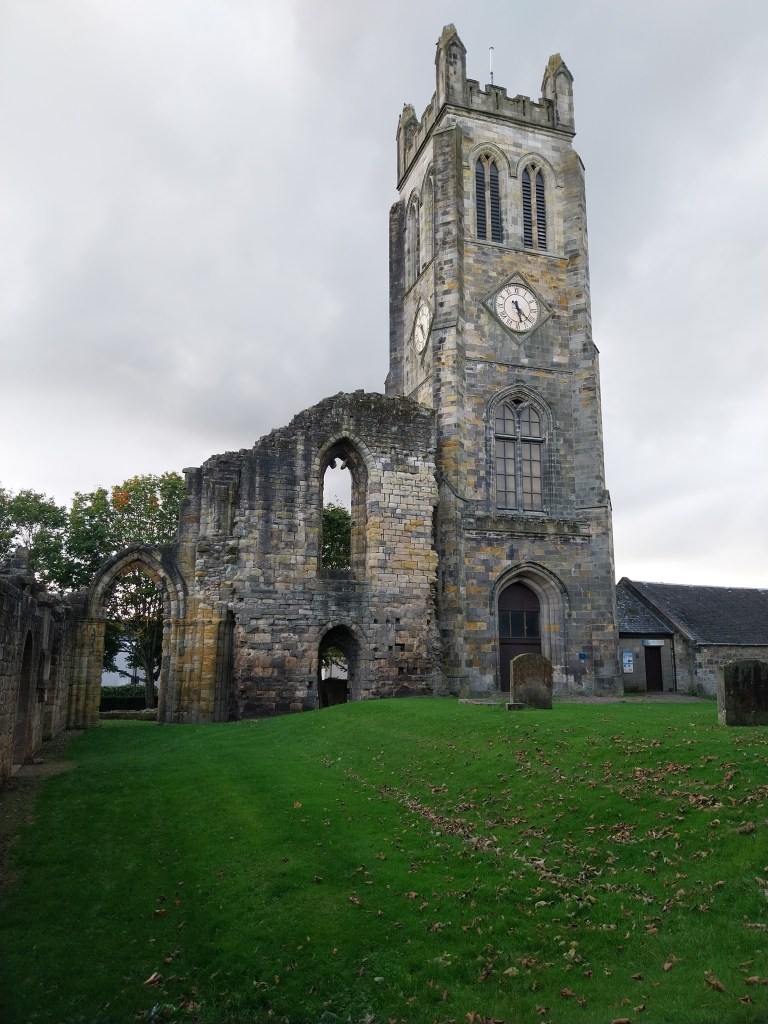
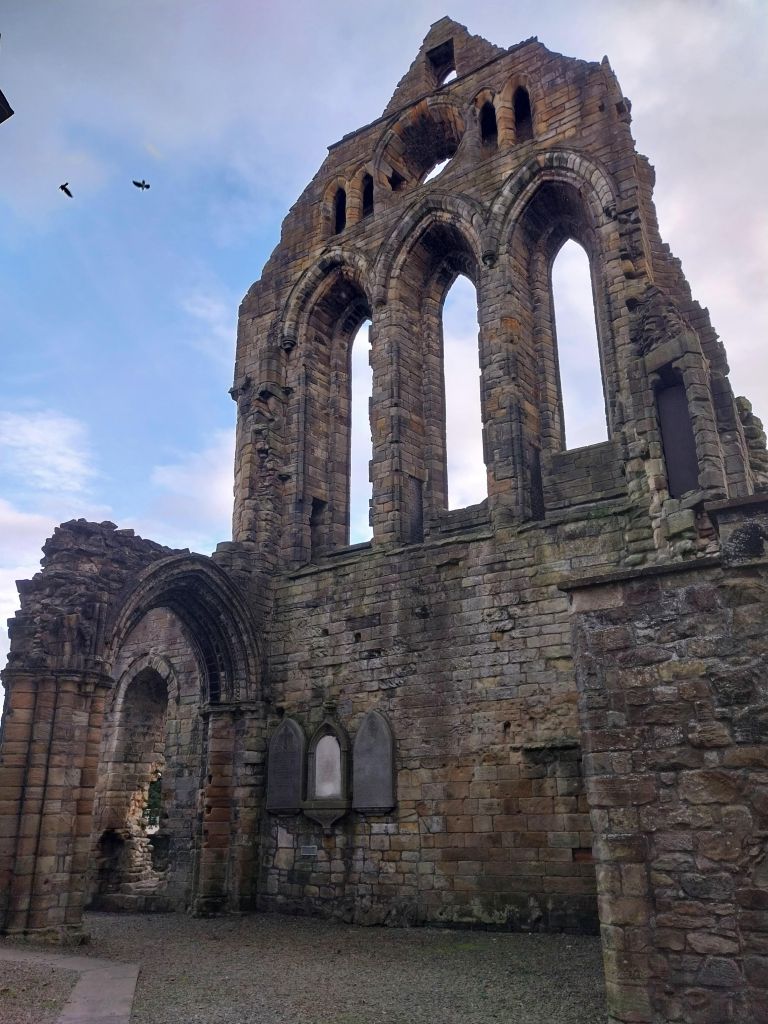
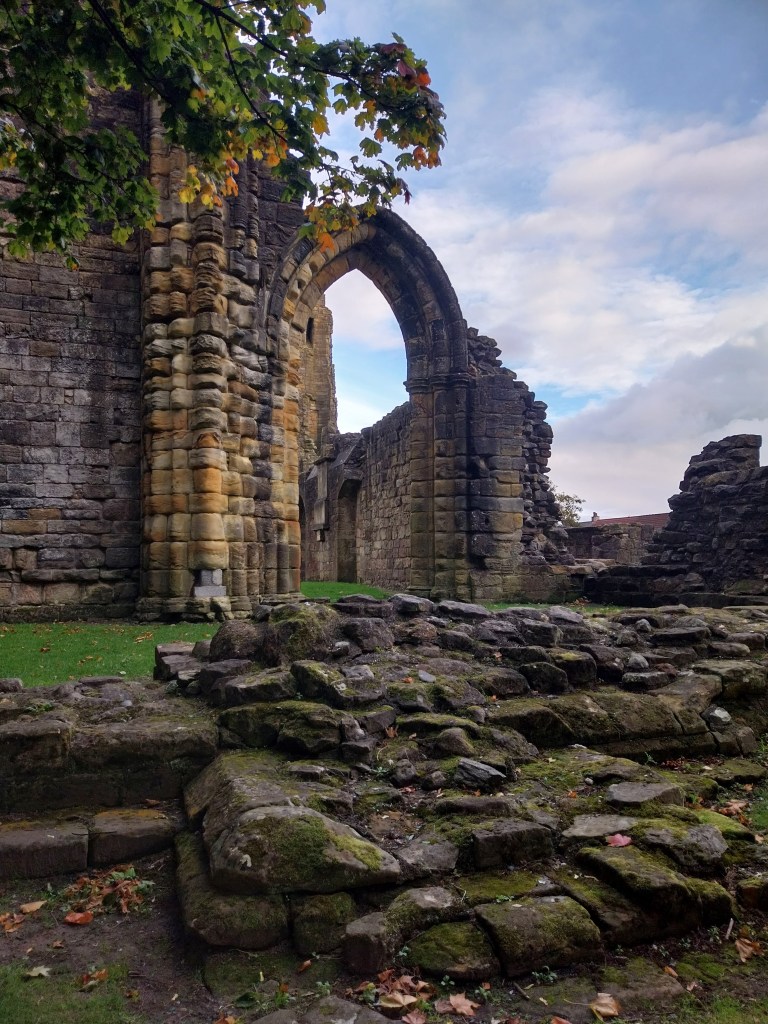
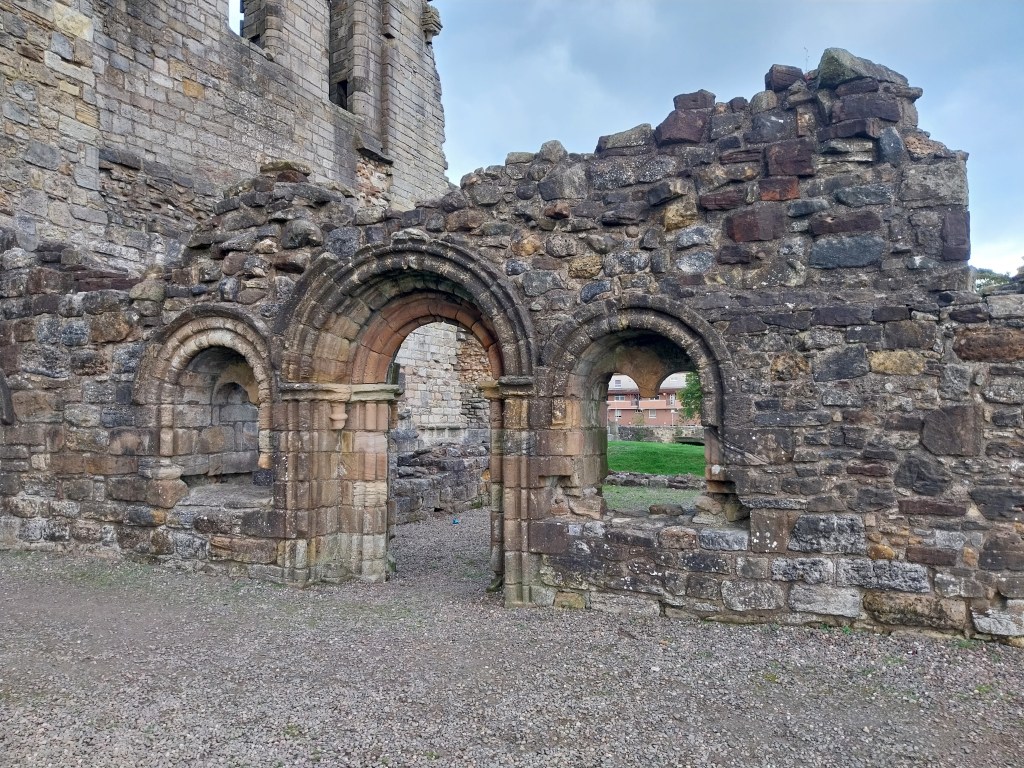
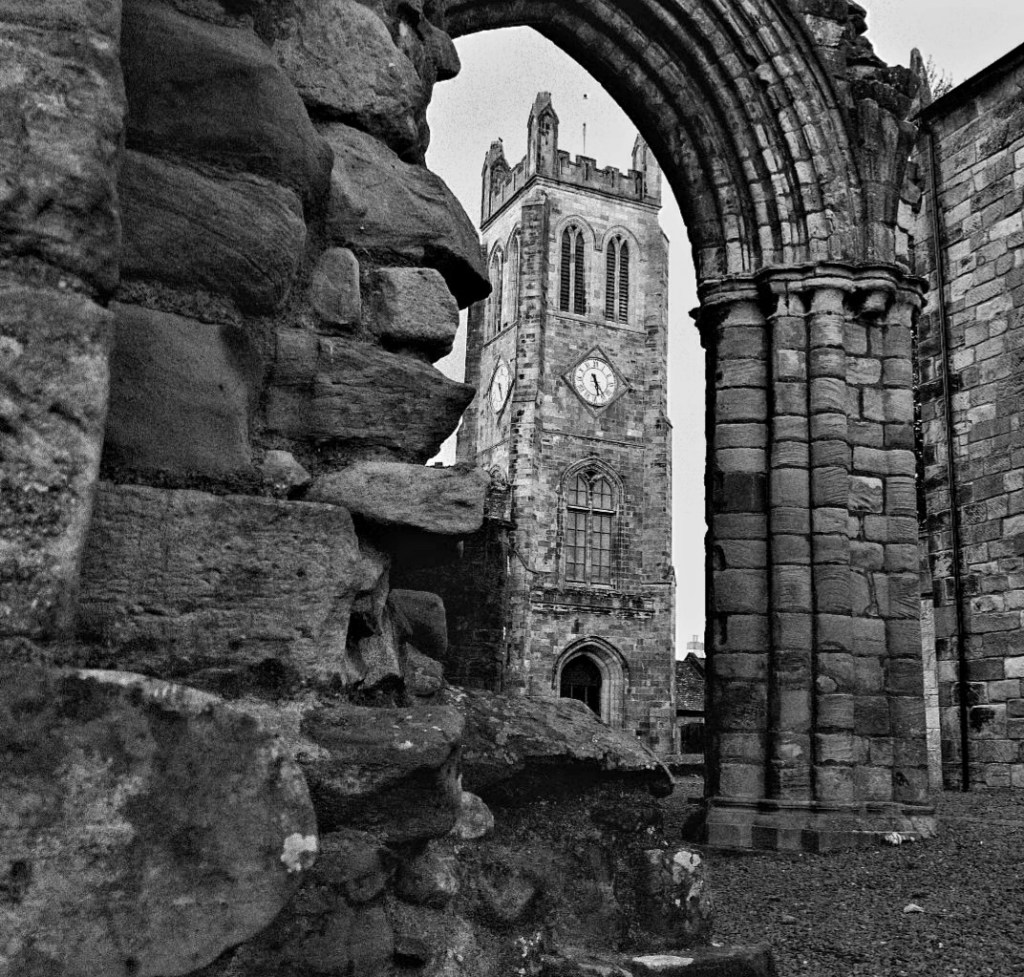
However, I thought I’d share with you some information about Kilwinning Abbey, which is a huge feature in my book and has an incredible amount of history. The abbey dates back to the twelfth century, and although parts of the original abbey have been lost for many centuries, they still stand today in Kilwinning. Its beauty and ancient ambience are still felt when you walk the abbey grounds today. I thought I’d share some pictures I took of the ruins while researching for my book. This will give you an insight into the story’s setting.



To read my book click here… The Last Coven

 THE GOOD, THE BAD AND THE PUBLISHED
Leave a comment